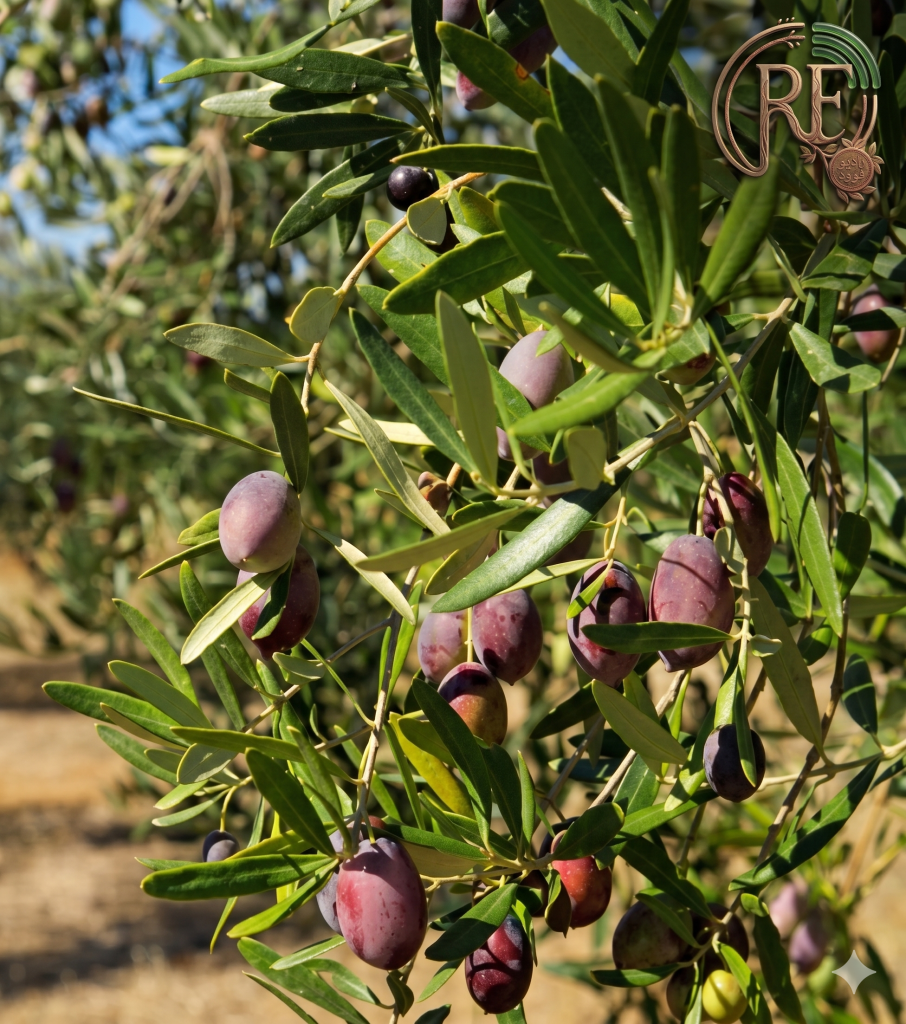
Egypt is considered one of the leading countries globally in table olive production, distinguished by a rich variety of cultivars that thrive across different Egyptian lands, particularly in desert and newly reclaimed areas.
| Item | Details |
|---|---|
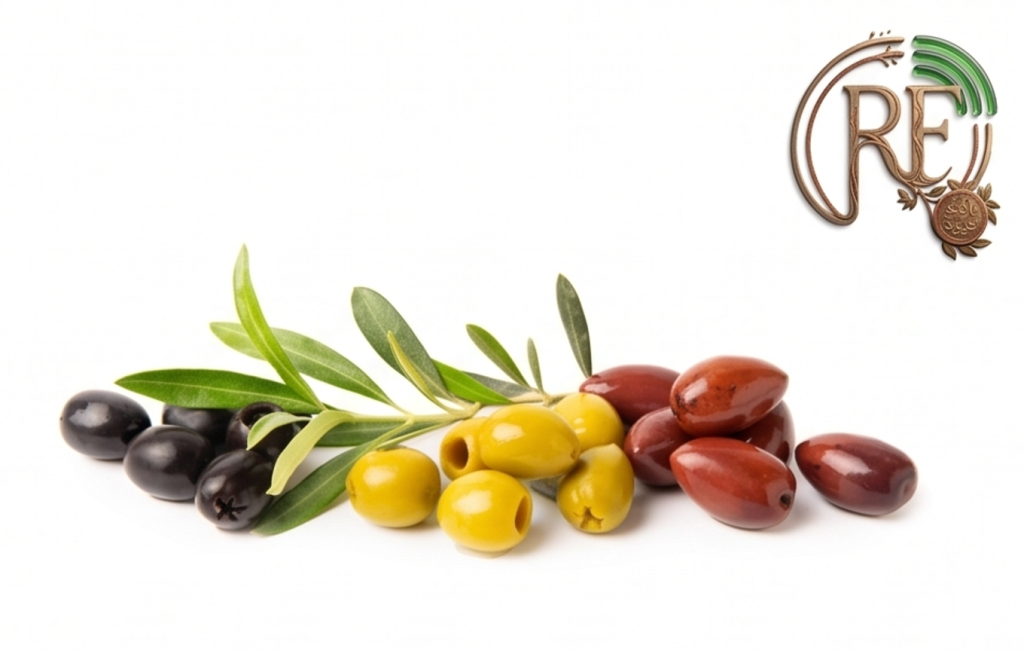
| Technical and Export Specifications | Shape: Uniform fruits (elongated oval with a pointed end for the Kalamata variety, or plump spherical for the Manzanilla and Toffahi varieties). Color: Bright natural green, natural purple/black (depending on the maturity stage and variety), or uniform deep black (oxidized for pizza production lines). Skin & Texture: Smooth, firm skin free from mechanical defects, with a firm, strong flesh that withstands shipping, pitting, and slicing processes without tearing. Processing Forms: Whole (with pit), Pitted, Sliced, or Halves. Sizes & Counts (Calibration): Accurate and sorted counts ranging from jumbo to medium sizes (number of fruits per kilogram): 100/120 .120/140 .140/160. 160/180. 180/200. 200/230 Packaging Bulk (For Industry): Food-grade plastic barrels in brine with a net weight of 130–150 kg. Retail: Glass jars, airtight tin cans, or vacuum pouches/bags in various weights according to client request. |
| Season Period | From September to December (with the possibility of year-round supply and shipping for varieties preserved in brine and barrels). |
| Varieties | Picual: A dual-purpose variety used for pickling and premium extra virgin olive oil production. Teffahi & Ageezi: Premium giant varieties, ideal for retail and whole green presentation. Manzanillo: The most versatile variety globally, ideal for slicing and pizza production lines in the Italian market. Egyptian Kalamata: The king of black olives, highly preferred by Russian and Eastern European markets. |